scientologyexposed Logo scientologyexposed Contact Us
Contact Us

Gauja Riverside Recreation Routes and Rest Areas

Discover gentle walking routes along Latvia's most scenic river valley with marked trails, benches, and viewpoints designed for leisurely exploration.

11 min read Intermediate May 2026
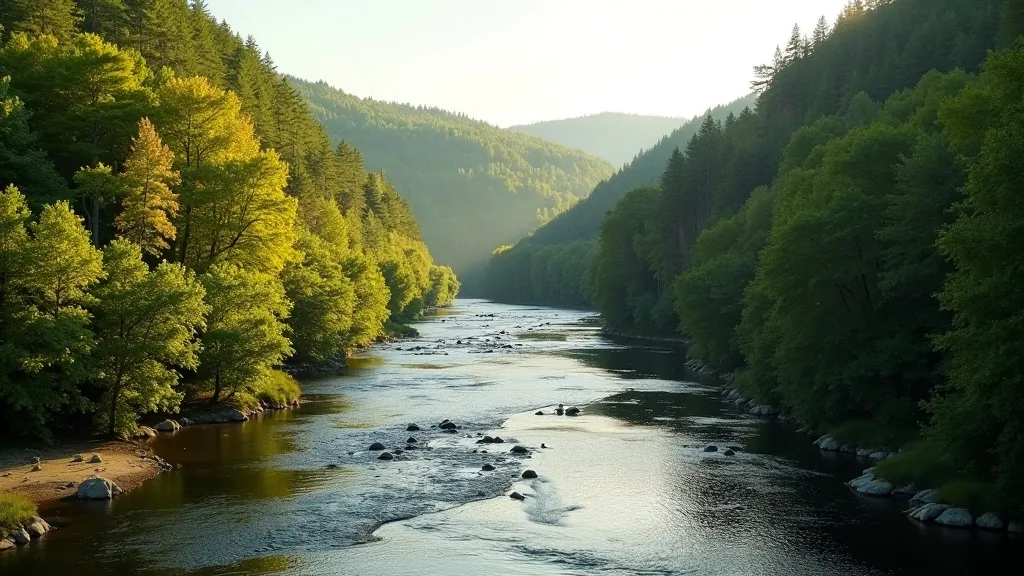
Scenic view of Gauja River flowing through forested valley with red sandstone cliffs visible in the background

Why the Gauja River Valley Matters

The Gauja River winds through Latvia for 452 kilometers, creating one of the country's most accessible nature experiences. It's not just about the river itself — it's the entire valley that opens up here. Red sandstone cliffs, beech forests, and stretches of calm water create a landscape that's genuinely stunning without being exhausting to explore.

We're talking about recreation routes designed with you in mind. There aren't any steep climbs or technical obstacles. Instead, you'll find well-maintained paths, regular rest benches, and viewpoints that reward a gentle walk with genuinely beautiful views. The valley's been a popular destination since the 19th century, and that history shows in how thoughtfully the trails are organized.

What you'll discover: Multiple sections of the Gauja Valley National Park offer different experiences — from riverside walks to elevated trails overlooking the entire valley. Most routes take between 1-3 hours, with plenty of spots to sit and simply take in the surroundings.

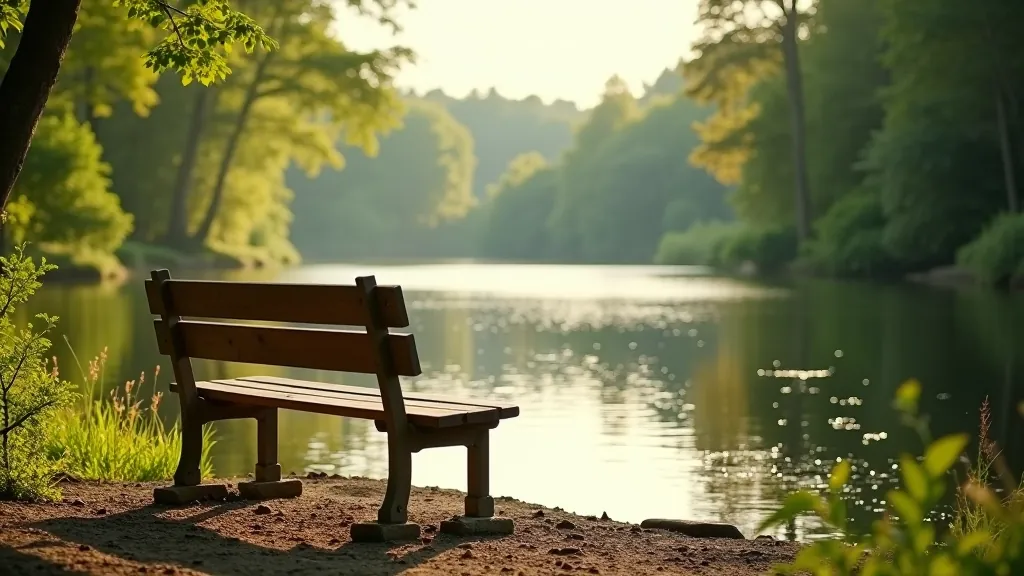
Peaceful riverside bench overlooking the Gauja River with forest-covered banks and calm water reflecting the sky

Popular Routes and What to Expect

The Gauja Valley has several distinct sections, each with its own character. The Sigulda section — probably the most famous — stretches about 3.5 kilometers along the river with viewpoints that overlook the castle ruins and sandstone cliffs. You'll walk on a well-marked path, sometimes right along the water, sometimes slightly elevated. The surface is mostly compacted earth with occasional paved sections. It's doable at any pace, and there's genuinely no rush.

Main Route Sections

  • Sigulda Riverside Loop: 3.5 km, mostly flat, river views throughout
  • Turaida to Krimulda: 4 km, includes sandstone cliff viewpoints
  • Vangazi Marshland Trail: 2 km, boardwalk sections, bird-watching opportunity
  • Cesis to Amata: 5.5 km, forest sections with river glimpses

What makes these routes work for leisurely recreation is the bench placement. They're not random — they're positioned at actual scenic spots where you'll want to stop anyway. Every 300-400 meters, you'll find a place to rest without feeling like you're constantly sitting down.

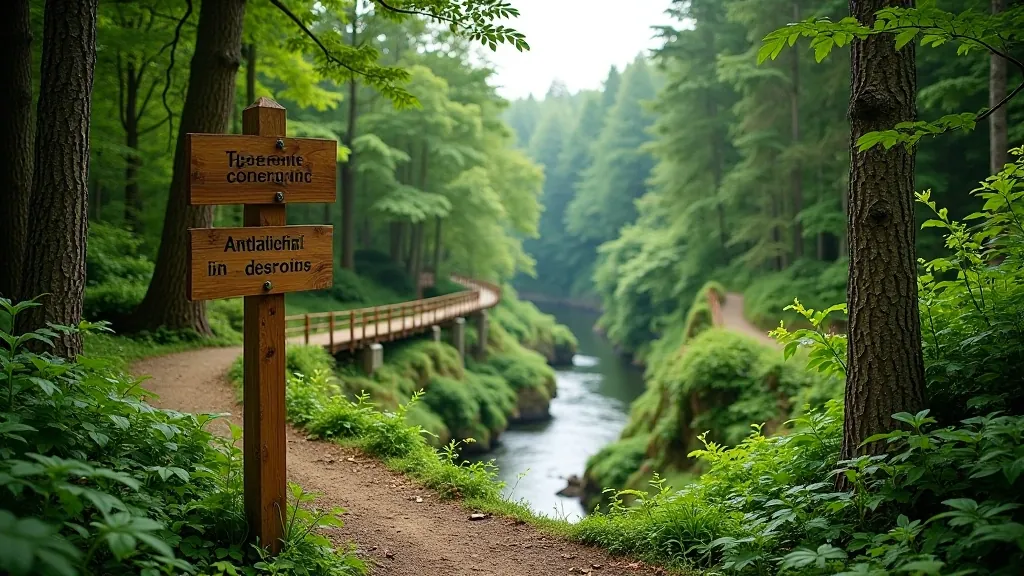
Well-marked hiking trail winding through green forest along the Gauja River valley with directional signs and wooden railings
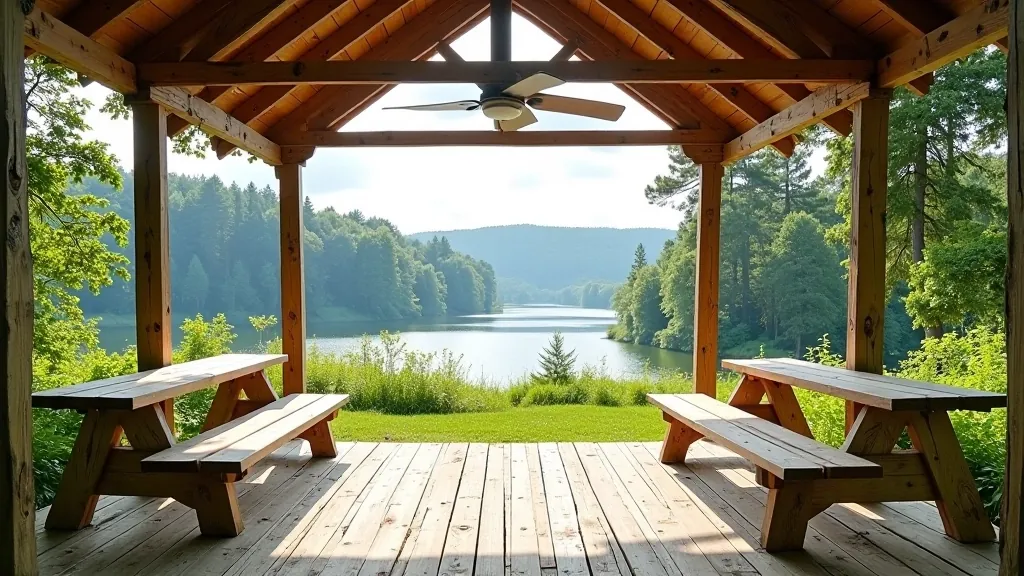
Modern rest pavilion with wooden benches overlooking the Gauja River valley, surrounded by forest in autumn colors

Rest Areas and Amenities

Rest areas along the Gauja routes aren't just benches. You'll find designated pavilions at key viewpoints — small structures with roofs that protect you from rain while you're taking a break. The larger ones have tables, so you can actually sit and have lunch without balancing food on your lap.

Water access is available at several points. Sigulda has public restrooms near the main parking area and at the castle viewpoint. Cesis town center, where the river route passes nearby, has full facilities including cafes. Don't expect services everywhere — the trail sections further into the forest are genuinely remote. Bring water with you.

Accessibility Note: Most main routes are accessible for people with mobility challenges. The Sigulda riverside section has paved areas and gentle slopes. Some sections do have stairs for accessing elevated viewpoints, but alternatives are usually available if you prefer to stay at river level.

Parking is straightforward — most access points have designated areas near the route entrances. The Sigulda entrance parking fills up on weekends during good weather, but alternatives exist. Early morning visits tend to be less crowded, which also means better lighting for photos and a quieter experience.

Planning Your Visit

Timing matters here, though not in a stressful way. Spring (May-June) brings wildflowers and active bird life along the river. Summer's warm, but also busier. Fall (September-October) offers the best combination — fewer visitors, cooler temperatures that make walking more comfortable, and the forest colors are genuinely worth the camera work. Winter is possible if you don't mind cold temperatures, though some routes get muddy.

Weather can change quickly in a river valley. The elevation differences mean the lower sections can be cooler and damper than the surrounding areas. Bring a light jacket even if it looks clear when you start. The ground near water is often wet — proper footwear matters more than you'd think.

What to Bring

Water: At least 1-1.5 liters. Refill opportunities are limited on remote sections.
Footwear: Waterproof walking shoes with good grip. Trails can be muddy even days after rain.
Sun protection: Sunscreen and a hat. The river reflects light, and you'll be surprised how exposed you are.
Map or offline trail app: Signal can be spotty in the valley. Download trail maps beforehand.
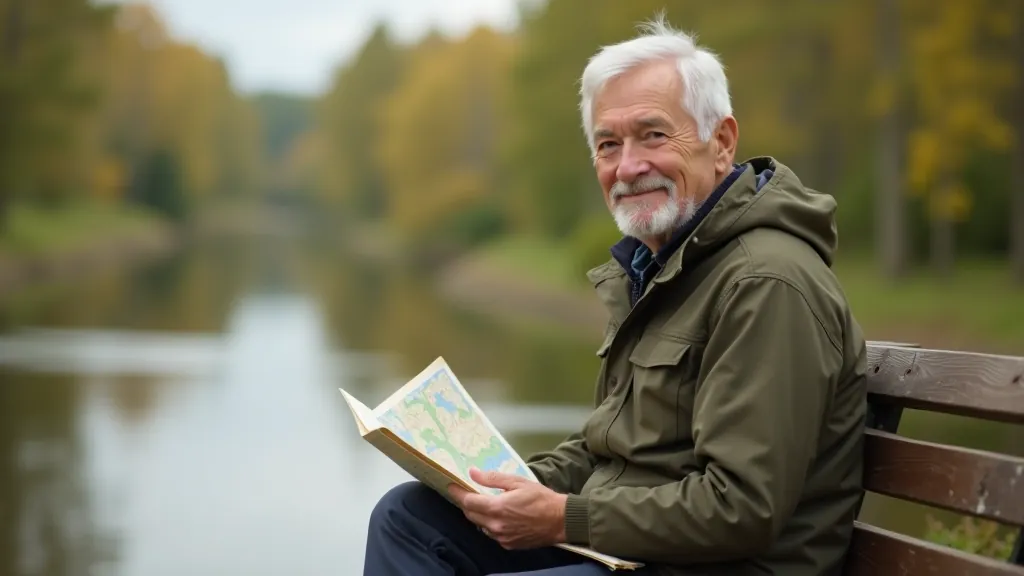
Person in casual outdoor clothing sitting on a riverside bench with a map and water bottle, looking out over the valley

Practical Information

The Gauja Valley National Park maintains all major routes. Signage is clear — you won't get lost. Most routes are open year-round, though winter can make conditions slippery. There's genuinely no entrance fee to walk the riverside paths.

Best Time to Visit

May through October. Spring and fall offer ideal temperatures and fewer crowds. Summer's warm but busier on weekends.

Getting There

Sigulda is 45 km from Riga by car (about 45 minutes). Train service connects Riga to Sigulda station, which is walking distance from the main trail entrance.

Route Difficulty

Easy to moderate. Most routes are flat with minor elevation changes. Surface is mostly well-maintained earth paths with some paved sections.

Duration

Short sections: 1-2 hours. Extended routes: 3-4 hours. You're not racing — stop whenever you want.

The Gauja Valley isn't trying to impress you with difficulty. It impresses you with the landscape itself — the way the river moves through that sandstone valley, the quiet of the forests, the genuine sense of space. That's what makes it perfect for unhurried recreation.

Important Information

This article provides informational guidance about recreation routes and rest areas in the Gauja River Valley. Conditions change seasonally and after weather events. Trail conditions, facility availability, and access points may vary. We recommend checking with the Gauja Valley National Park office or local tourism information before planning your visit. Always carry appropriate safety equipment, inform someone of your route, and turn back if conditions become unsafe. The information presented here is intended for general educational purposes and shouldn't replace personal judgment or official guidance from park authorities.