
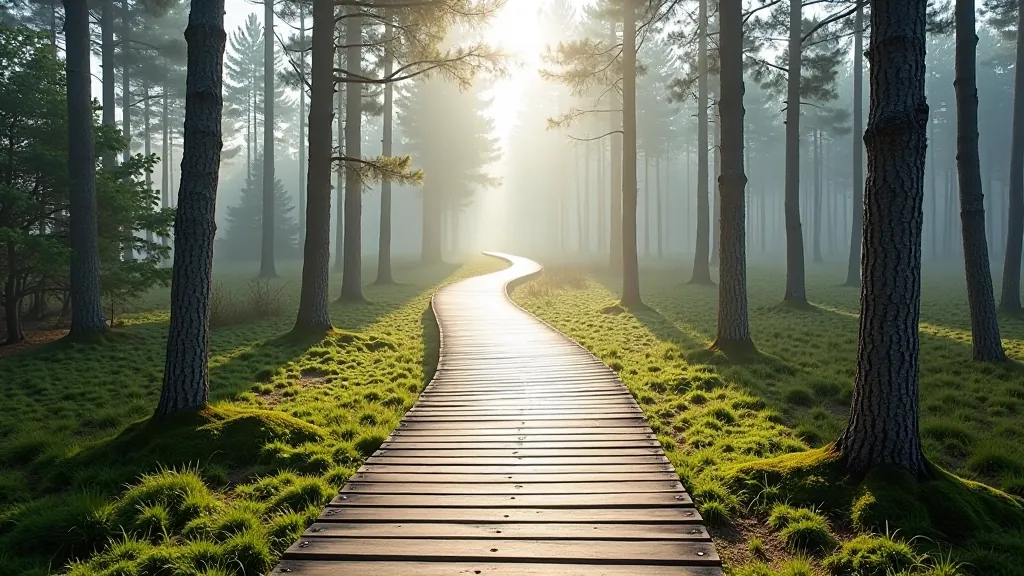
Ķemeri National Park's bog boardwalks are something special — and not just because they're beautiful. They're accessible, well-maintained, and you can walk them entirely at your own pace. Whether you've got mobility concerns, just want to take things slowly, or prefer having somewhere to rest between sections, these trails deliver. We'll walk you through what to expect, how to prepare, and why so many people keep coming back year after year.
Why the Boardwalks Work for Everyone
The main reason people choose these trails is simple: they're flat. No elevation changes, no uneven ground, no scrambling over rocks. The wooden boardwalk sits about a meter above the bog itself, so your knees and hips get a break from steep terrain.
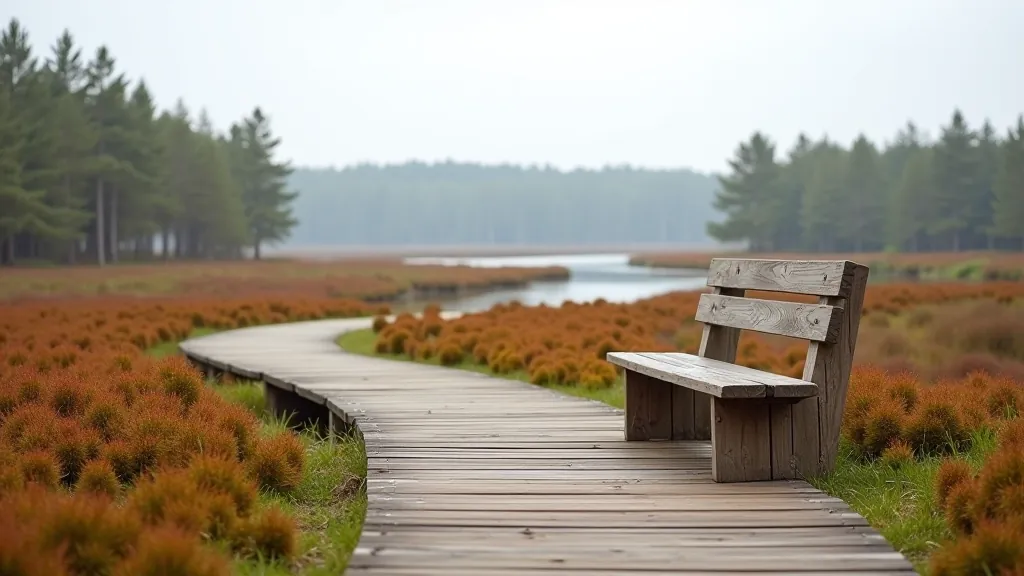
What's more, there's genuine rest infrastructure. You'll find benches placed every 300-400 meters, which means you're never more than a 10-minute walk from a place to sit. Some spots have little shelters too — useful when the weather shifts, which it does frequently out here on the bog.
The paths themselves are about 1.2 meters wide, smooth wood, and they're maintained throughout the year. Winter? They're cleared of snow and treated to prevent ice buildup. Summer? The wood gets checked for splinters and damage. It's genuinely reliable infrastructure.

"I wasn't sure I could handle a nature walk anymore because of my knee. But the Ķemeri boardwalk changed that. It's genuinely easy on the joints, and knowing there's a bench every few minutes makes all the difference."
— Dace, 68, walks here monthly
What to Wear and Bring
The bog is a different microclimate than the surrounding forest. It's often windier, slightly cooler, and humidity levels fluctuate. You'll want layers — and we mean actual layers, not just one thick jacket.
Start with a moisture-wicking base layer (cotton holds moisture, so skip that). Add a fleece or wool mid-layer. Top with a windproof outer layer. The bog can feel cold even in summer because of the wind and moisture.
Footwear matters too. You don't need hiking boots — the boardwalk's smooth enough for regular walking shoes. But they should have decent grip. The wood can be slick after rain, and you want your footing solid. Many locals wear regular sneakers with good tread, but some prefer lightweight trail shoes for the extra ankle support.
Bring water. A liter bottle minimum. The bog has no natural water sources you can drink from, and there's nothing for sale at the trailhead. A small snack — nuts, dried fruit, energy bar — keeps your energy steady. And sunscreen. Bog light reflects differently than forest light, and you'll burn faster than you expect.
Route Options and Timing
There are three main routes through the park, and you don't have to do them all at once. The Viperu Trail is the shortest — about 1.8 kilometers and takes 45 minutes to an hour at a relaxed pace. It's perfect if you're testing your comfort level or just want a quick visit.
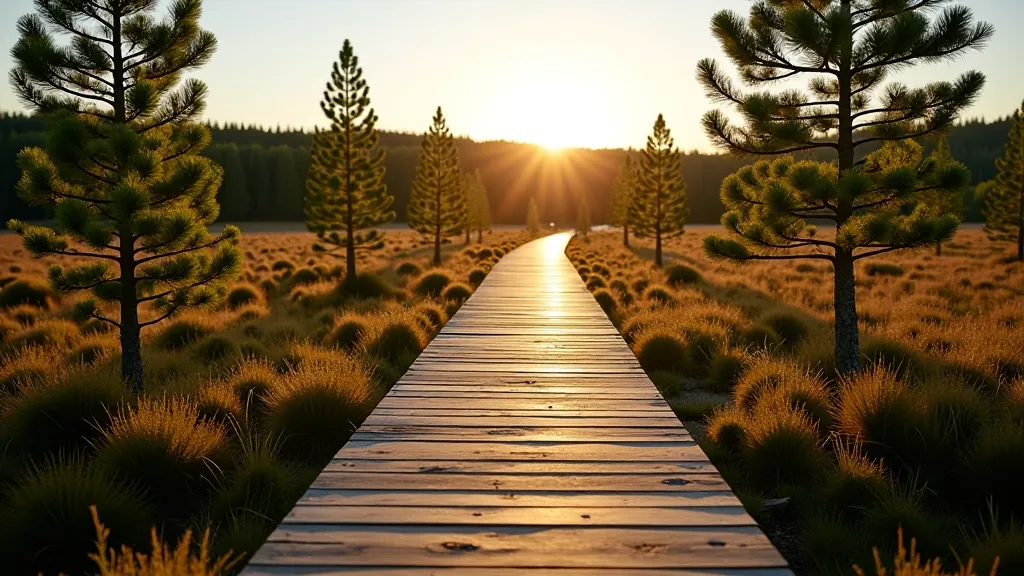
The Big Bog Trail (Lielais purvs) stretches 3.5 kilometers. Most people spend 90 minutes to two hours here, including rest stops. It goes deeper into the bog than the Viperu trail, so you see more of the landscape variety — open water, dwarf pine forests, sphagnum moss.
The Great Bog Trail combines both routes into a 5.5-kilometer circuit. Don't feel obligated to do this. Honestly, most visitors split it across multiple visits. You're not missing anything by doing shorter walks. The bog changes seasonally — spring's different from autumn, and winter's its own thing entirely.
Timing your visit matters. Early morning (before 9 AM) means fewer people and better light. Afternoon brings more crowds but warmer temperatures. If you're sensitive to sun, the shaded forest sections near the entrance provide relief. There's genuinely no "best time" — it depends on what you prefer.
Key Things to Know
- The park's free to enter — no entrance fees, no registration required
- Benches appear roughly every 300-400 meters along all trails
- The boardwalk stays open year-round, but winter visits require different preparation
- Dogs are allowed on-leash, which some people appreciate for walking company
- There's a small visitor center near the entrance with restrooms and basic information
The Real Experience
Here's what locals appreciate that doesn't always make it into guidebooks: the bog's quiet. There's wind through the dwarf pines, maybe water movement if it's been raining, bird calls, but it's fundamentally peaceful. No traffic noise, no crowds talking loudly. Just space.
The wildlife's subtle. You'll see birds — cranes sometimes, usually smaller species like warblers. Insects during warmer months. The occasional hare. Nothing dramatic, but it's real nature, not a zoo. It teaches you patience. You notice things because you're moving slowly and looking around.
People come back because it works. It's not Instagram-famous, which is actually a strength. You can think out here. You can walk without pressure. You can rest without feeling rushed. That's the real value of these boardwalks — they make nature accessible without making it exhausting.
Why You'll Keep Coming Back
The Ķemeri boardwalks aren't about conquering something difficult or checking off an ambitious hiking list. They're about time in nature that actually feels sustainable. You can do this walk monthly, or weekly if you want. You can bring a friend or go alone. You can do the whole thing or just walk to the first bench and sit.
That flexibility is everything. It's why people keep returning — because the experience scales with what you're capable of on any given day. And that's genuinely rare in outdoor recreation.
Disclaimer
This article is informational and based on general conditions at Ķemeri National Park. Bog environments are dynamic — weather conditions, boardwalk maintenance status, and seasonal factors change throughout the year. Before visiting, check current conditions through the official Ķemeri National Park website or contact the visitor center directly. Weather can shift rapidly in bog environments. Always carry appropriate clothing and water. If you have specific mobility concerns or health conditions, consult with a healthcare provider about suitability for bog walking. Park conditions vary seasonally, and winter visits require additional preparation and caution. This guide is not a substitute for current official park information.